Chemical X-Ray Crystallography
New approaches in chemical X-ray crystallography are extending the field on many levels: dynamic studies, disorder of crystals, and the X-ray energy range. Whether you need a single- or multipurpose diffractometer, there is an optimal hybrid-pixel detector on hand.
Collecting accurate intensities is a prerequisite for any crystallographic task: (absolute) structure determination, charge density studies, or diffuse scattering. While the work gets increasingly demanding with disordered, fluorescing, small, or poorly diffracting crystals, the solution becomes easier with hybrid-pixel detectors. These detectors get things done through the combination of direct X-ray detection, single-photon counting, noise and fluorescence suppression, small pixels, and a high dynamic range.
However, modern X-ray crystallography is pushing beyond that: faster measurements, the highest accuracy for charge density studies, and smaller crystals. In response, synchrotron and laboratory X-ray sources are aiming towards higher fluxes and higher X-ray energies.
In turn, hybrid-pixel detectors continuously improve their dynamic range, frame rate, and sensitivity to hard X-rays, while decreasing the pixel size. The outcomes include faster and more accurate measurements using a range of X-ray energies.
- ✓ Use the ultimate dynamic range and take accurate measurements of extremely strong and weak intensities thanks to true single-photon counting.
- ✓ Suppress background to improve the quality of data from challenging samples that exhibit fluorescence.
- ✓ Choose from silicon (Si) or cadmium-telluride (CdTe) sensor options for high efficiency over a wide range of wavelengths.
Chemical Crystallography at Synchrotrons
- ✓ Large CdTe-based detectors can take static or dynamic measurements with hard X-rays.
- ✓ A high count rate enables diffraction experiments at 4th-generation synchrotron sources.
- ✓ Maintain full data quality at a high frame rate and enjoy shutterless data collection, thanks to simultaneous read/write.
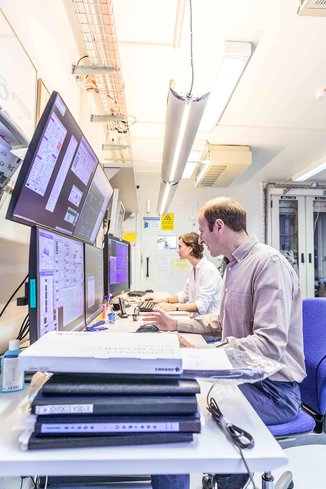
Most Frequently Used Products at Synchrotrons
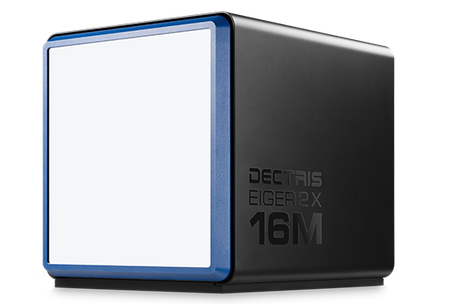
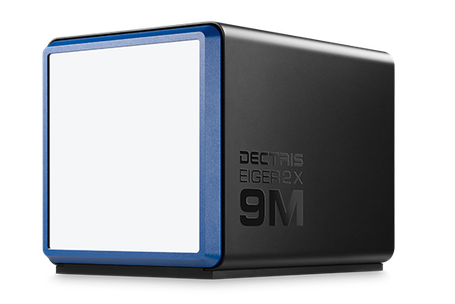
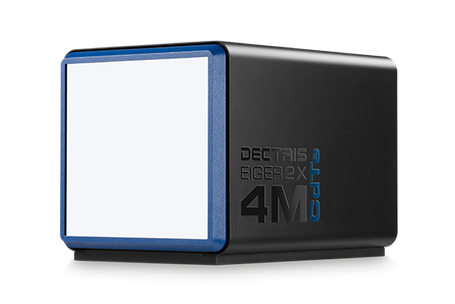
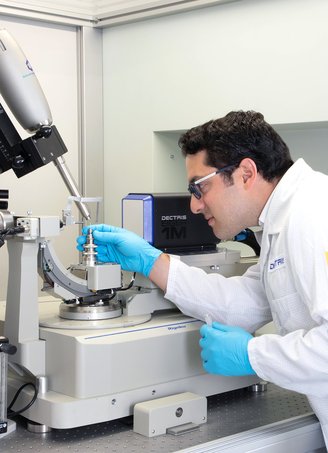
Chemical Crystallography with Laboratory Diffractometers
- ✓ Match the small-beam focus of your state-of-the-art source with small pixels and direct detection for better spot separation, less background overlap, and better data.
- ✓ Enjoy high quantum efficiency, from Cu to In, for short- and dual-wavelength instruments with CdTe sensors.
- ✓ Our detectors have proven, outstanding reliability for research, service labs, and teaching.
Most Frequently Used Products in Laboratory Diffractometers
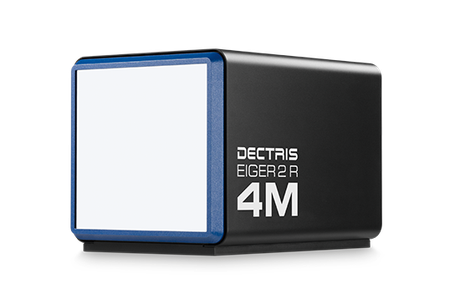
EIGER2 R 4M
Read more →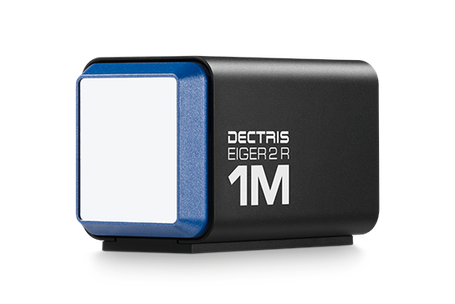
EIGER2 R 1M
Read more →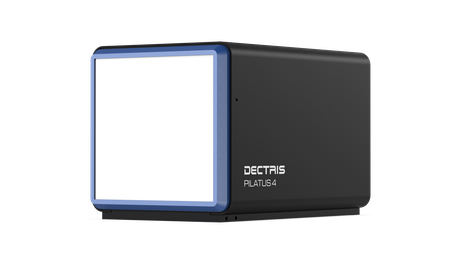
PILATUS4 R CdTe 1M
Read more →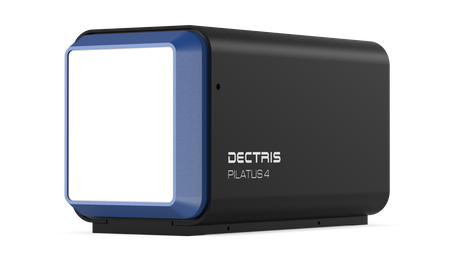
PILATUS4 R CdTe 260K
Read more →PILATUS4 R 1M
Read more →PILATUS4 R 260K
Read more →Our Application Expert

 Related News
Want to find out more?
Are you curious about X-ray science, or about choosing the right detector or instrument? Are you making your own X-ray machine?
Contact usCollaborate with us!
Do you have a project in mind? We look forward to hearing about it!
Reach out to us!