Wavelength Dispersive X-ray Fluorescence (WD-XRF)
The key feature of the WD-XRF technique is its high resolution. Can the resolution be increased further, without compromising measurement speed or sensitivity to weak signals?
Now, synchrotron spectroscopists can look forward to new developments. MYTHEN2 is vacuum-compatible and runs at 1 kHz, while the new area detector EIGER2 offers exciting features in its tiny pixels: continuous readout and two thresholds.
As a technique that is dedicated to high-resolution studies, WD-XRF used to compromise on two levels: scanning modes and the inability to perform in-situ measurements. However, the photon-counting detector MYTHEN made these limitations less severe. Its small strips enabled excellent resolution, while the combination of its sensor size and its frame rate allowed a wider portion of the spectrum to be collected repeatedly in a single shot.
In laboratory spectrometers, the wide MYTHEN2 detectors require no scanning motors to collect the spectrum. With these detectors’ wide coverage, it is possible to take in-situ measurements for elements from 4-40 keV, with an energy resolution down to 2 eV. New developments include optional vacuum compatibility for both MYTHEN2 and EIGER2.
- ✓ Achieve high resolution with small pixel and strip sizes.
- ✓ Detect weak signals with a high dynamic range and high efficiency for a wide range of X-ray energies.
- ✓ Take dynamic measurements with large detectors that offer a high frame rate and fast readout.
WD-XRF at Synchrotron Sources
- ✓ Make use of flexible experiment geometries with multi-modular MYTHEN2 systems that have different sensor thicknesses and a frame rate of 1 kHz.
- ✓ Take scanning measurements with continuous readout (EIGER2) and a frame rate up to 2 kHz.
- ✓ Suppress cosmics with the second energy threshold (EIGER2).
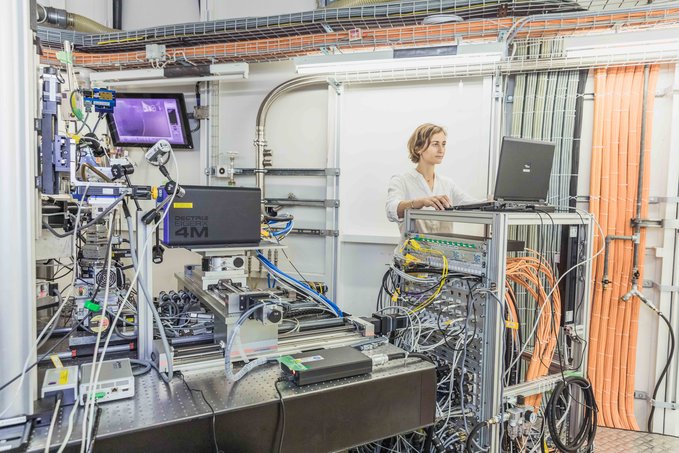
Most Frequently Used Products at Synchrotrons
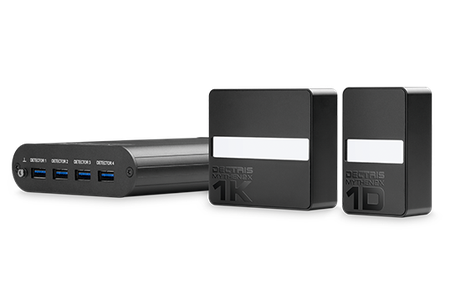
MYTHEN2 X Series
Read more →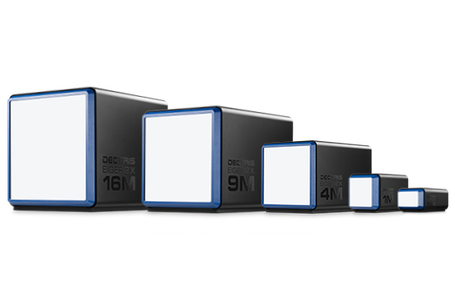
EIGER2 X Series
Read more →WD-XRF in Laboratory Spectrometers
- ✓ No scanning motors are required, due to the detectors’ wide coverage.
- ✓ Enjoy short exposure times for in-situ measurements.
- ✓ Suppress cosmics with the second threshold and virtual strips that have an electronic aperture (EIGER2).
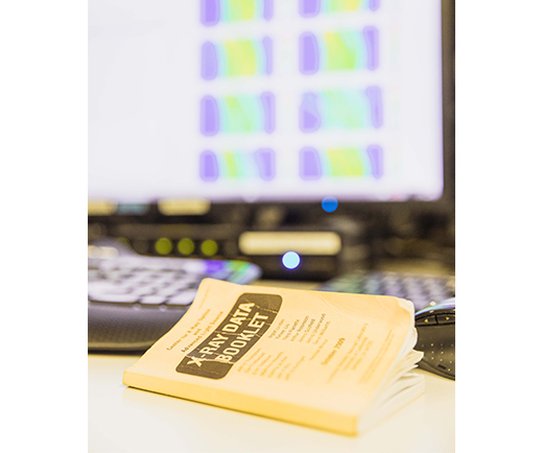
Most Frequently Used Products in Laboratories
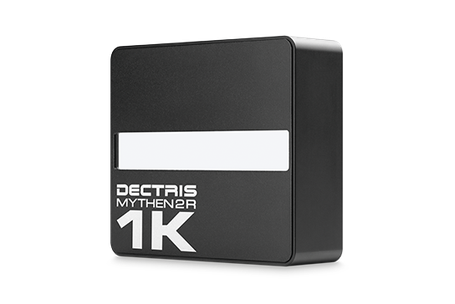
MYTHEN2 R 1K
Read more →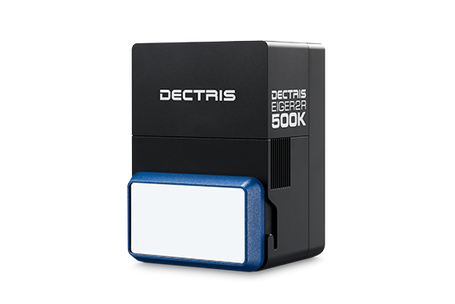
EIGER2 R 500K
Read more →Our Application Experts

 Related News
Want to find out more?
Are you curious about X-ray science, or about choosing the right detector or instrument? Are you making your own X-ray machine?
Contact usCollaborate with us!
Do you have a project in mind? We look forward to hearing about it!
Reach out to us!